Research · February 20, 2025 · 3 min read
A surgical technique, presented to the field
At the National Wildlife Rehabilitators Association symposium, Nadeem Shehzad and Mohammad Saud presented the staged propatagium repair they developed in Delhi.
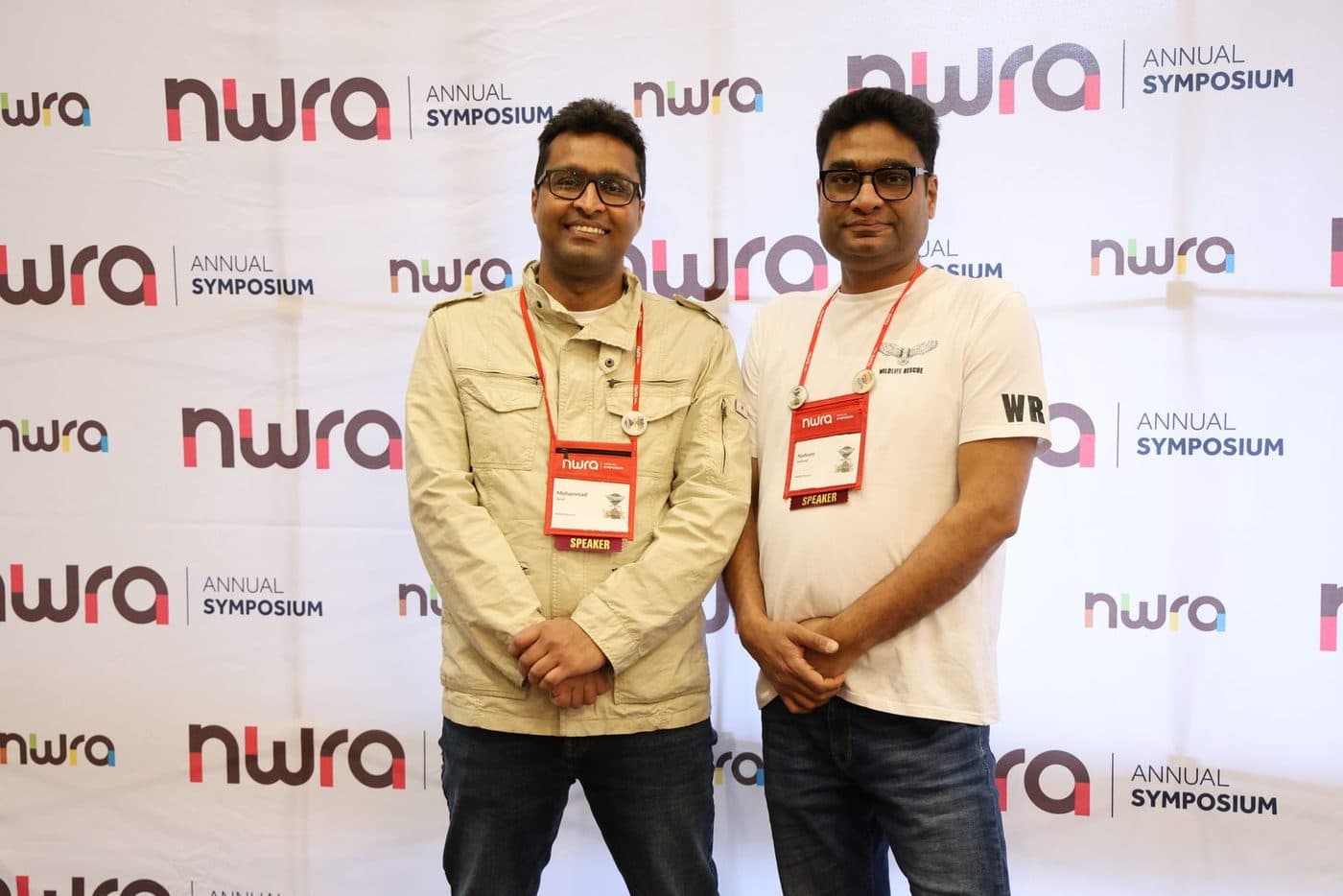
In February 2025, at the National Wildlife Rehabilitators Association symposium in Bellevue, Washington, Nadeem Shehzad and Mohammad Saud stood up in front of a room of American rehabilitators and explained how to rebuild a raptor's wing.
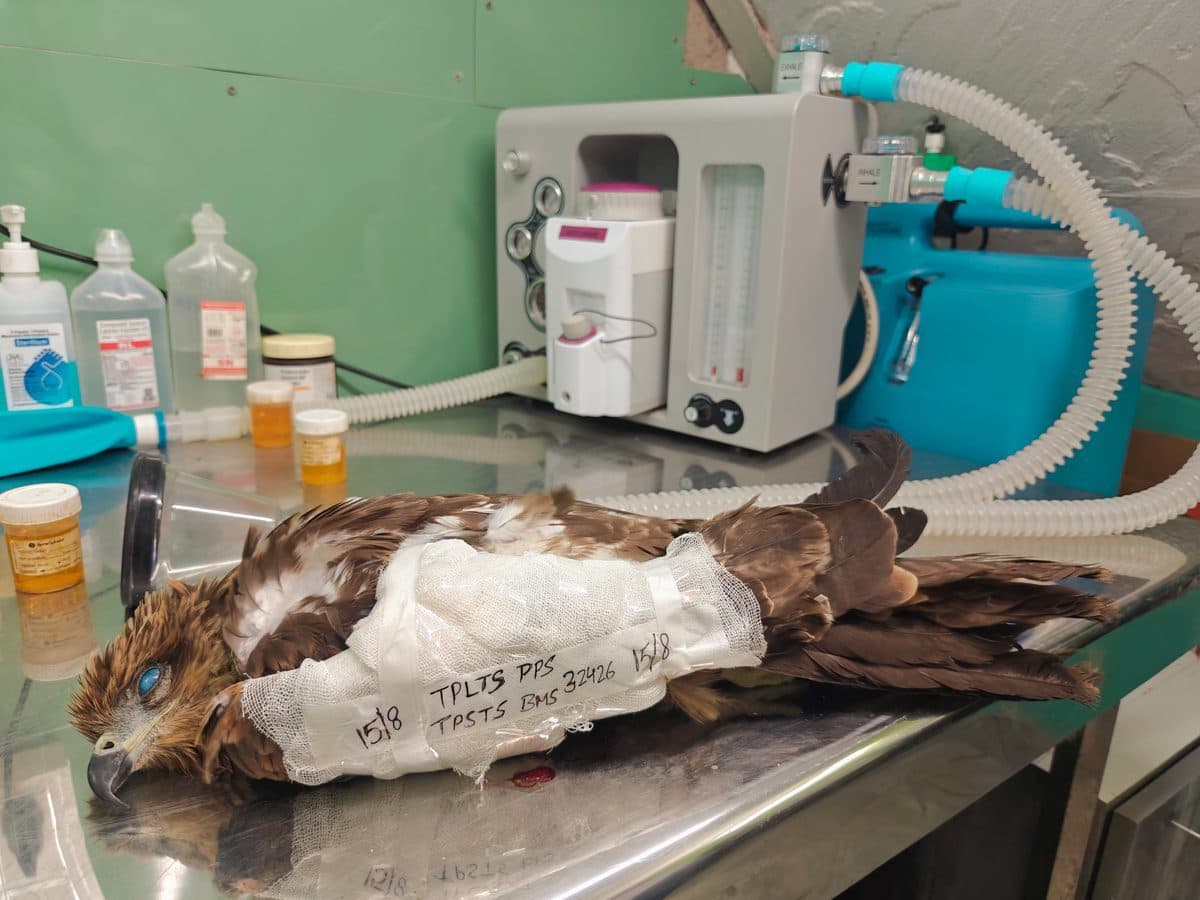
The injury they were describing is specific and brutal. Manja — kite string coated in powdered glass — wraps around the leading edge of a bird's wing in flight and cuts inward. It takes the skin, then the propatagial tendon, then muscle and nerve, and in bad cases it reaches bone. Every one of those layers has to be restored for the wing to work again.
Why this matters beyond Delhi
Techniques developed in a high-volume clinic travel. A facility that sees this injury thousands of times learns things a facility that sees it twice a year never will. Presenting that knowledge to the wider field — rather than keeping it in-house — is how a local practice becomes a contribution to veterinary medicine.
It is also, bluntly, why this organisation is called Raptor Rescue and Research. The rescue is visible and moving. The research is what compounds.
A bird that cannot fly is not a bird you have saved. Restoring flight is the whole job.
This work runs on donations.
Every gift is tax-deductible in the United States and goes out with almost nothing taken off the top.
Donate now