Where your gift goes
Wildlife Rescue, Wazirabad, Delhi
40,000+
Birds received since 2010
Wildlife Rescue crossed forty thousand cases in June 2026.
4,184
Birds treated in 2025 alone
Their busiest year on record, and the numbers keep climbing.
138
Distinct species treated
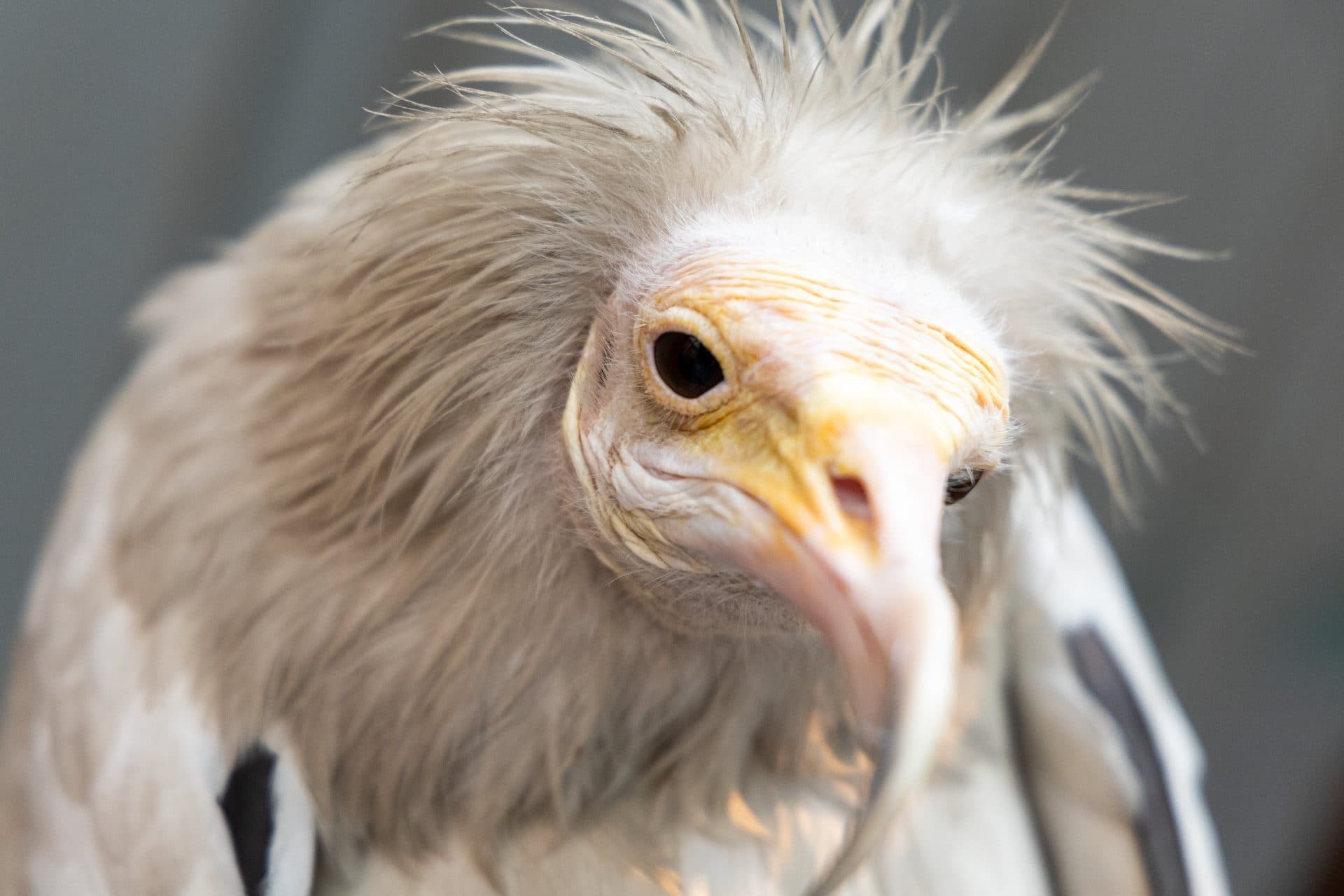
From Black Kites to Endangered Egyptian Vultures.
40%
Of documented injuries are from manja
Glass-coated kite string that cuts wings to the bone.
How it started
A bird nobody would take.
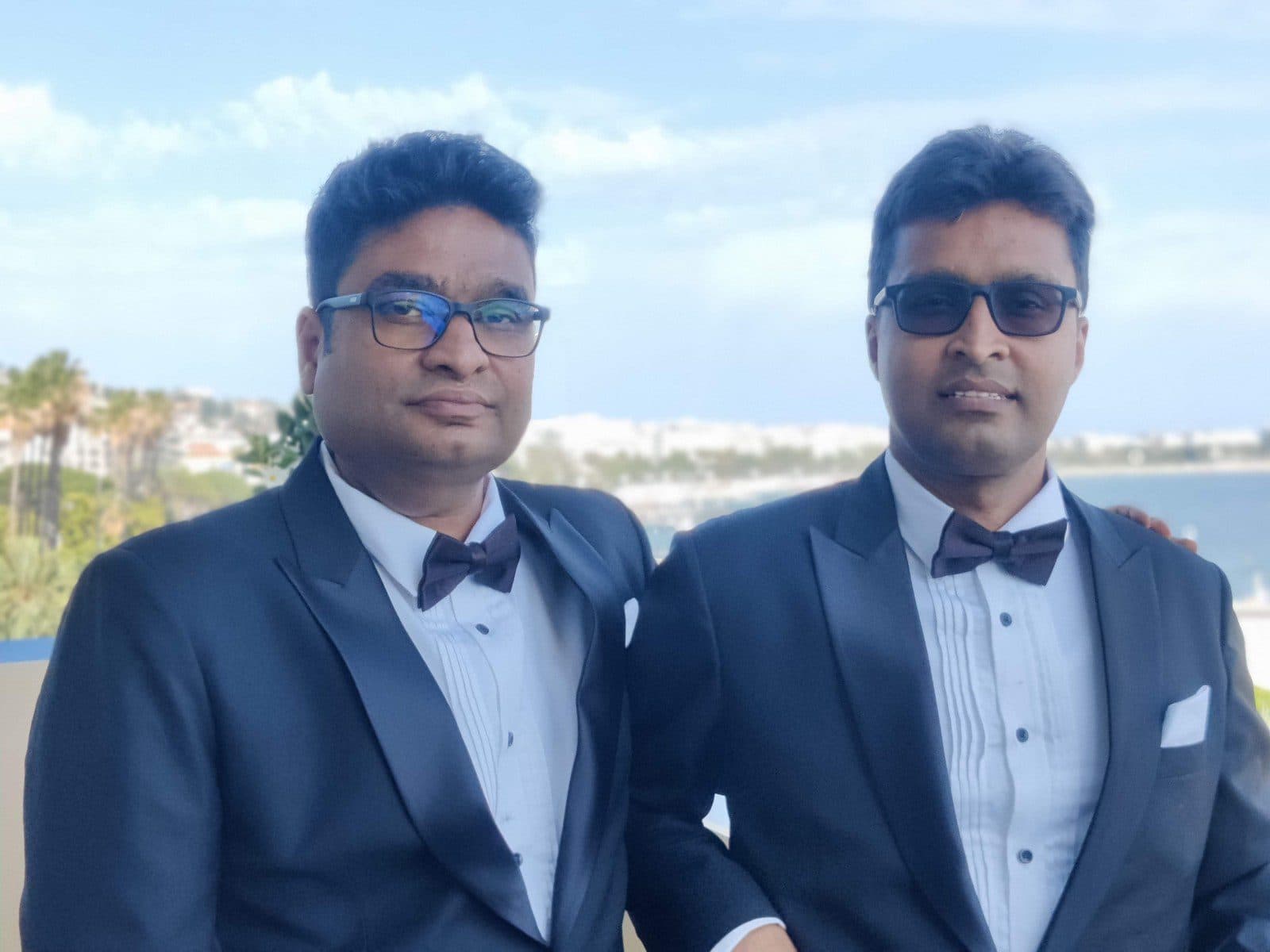
In the early 1990s, Nadeem Shehzad and Mohammad Saud — brothers in Delhi — found an injured Black Kite and carried it to a bird hospital. They were turned away. The hospital was vegetarian and did not treat raptors, which eat meat.
So they treated it themselves. Then the next one, and the one after that, out of their own home, funded by the small soap-dispenser business they ran to pay for it. They taught themselves avian anatomy, surgery and anaesthesia largely from books and repetition.
Wildlife Rescue was formally registered under the Indian Trusts Act in 2010. The case register has been kept by hand ever since — every bird, numbered in sequence.
One should not differentiate between the birds and oneself. Life itself is a kinship — we are all a community of air.
The signature injury
Manja
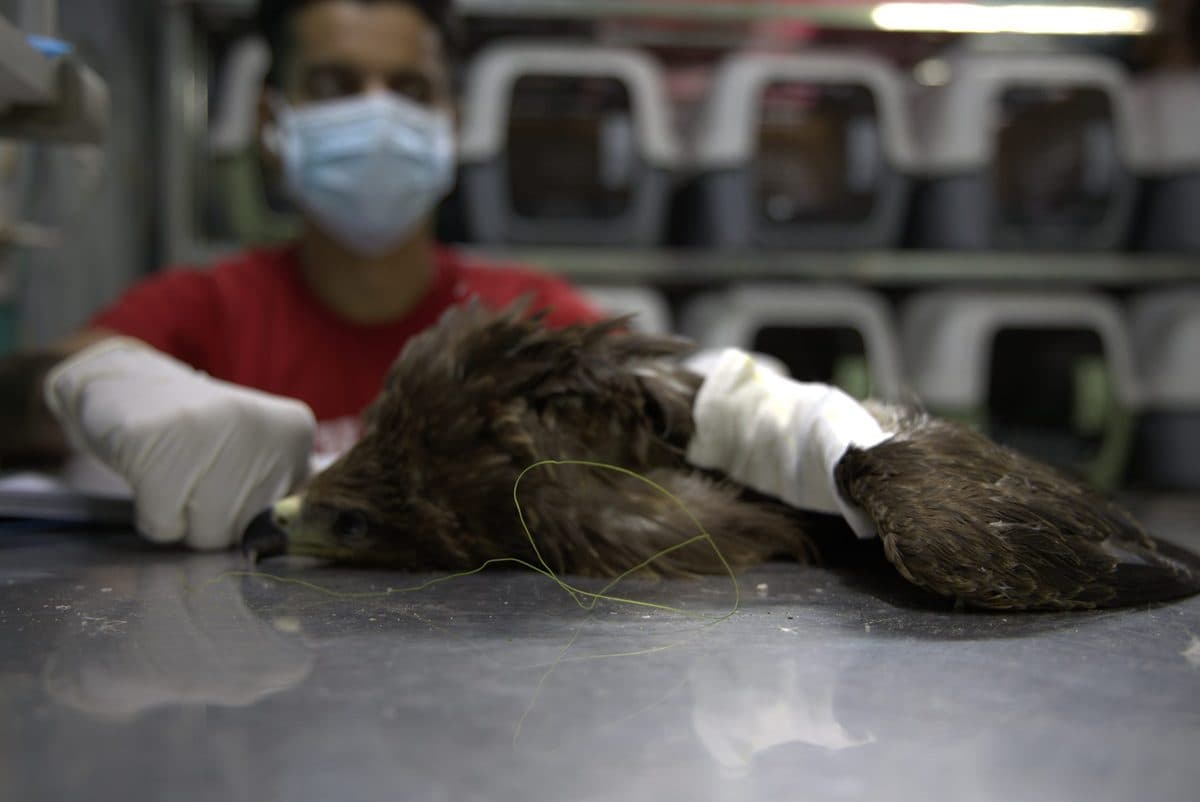
A manja strike catches the leading edge of the wing. It cuts through skin, then through the propatagial tendon that holds the wing’s leading membrane taut, then into muscle and nerve. In severe cases it reaches bone.
About 40% of documented injuries at the clinic are manja wounds. It is not seasonal in the way people assume — it happens all year, and spikes around the kite-flying festivals.
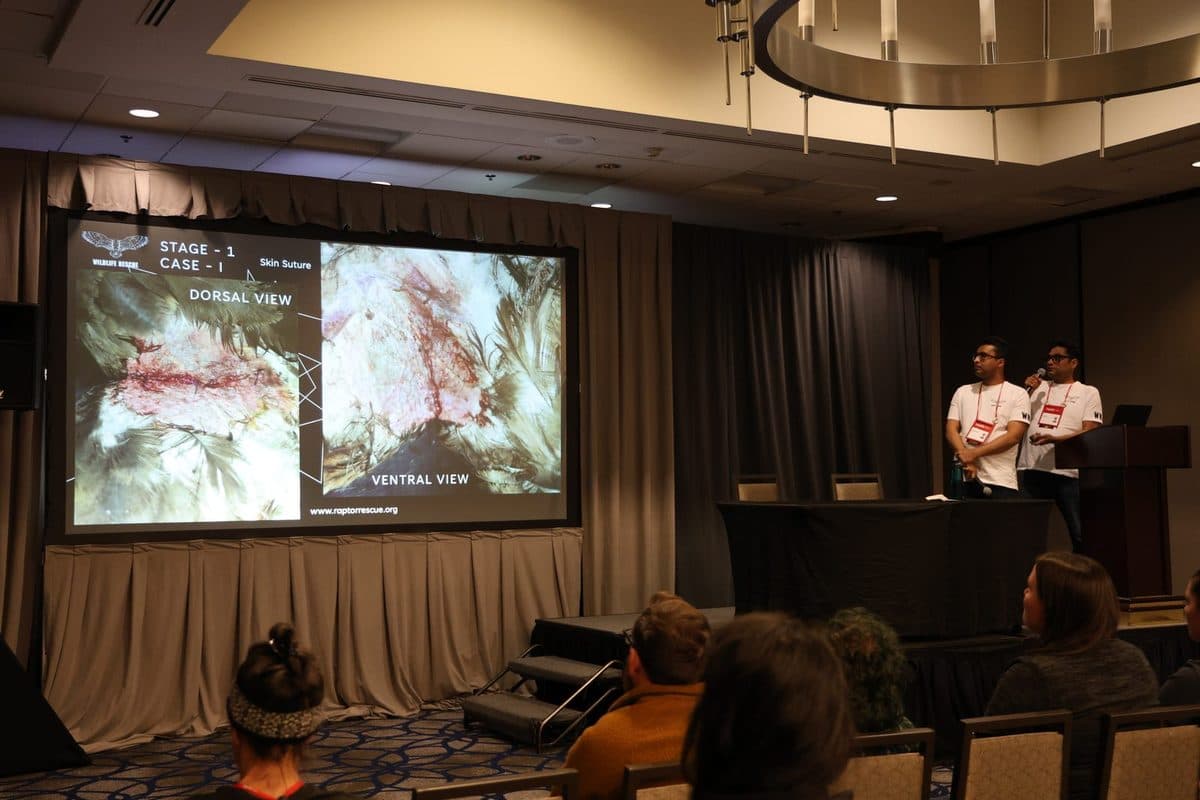
Repairing it means rebuilding every severed layer, in order, and then proving the wing works before the bird is released. That is the technique the clinic spent years developing.
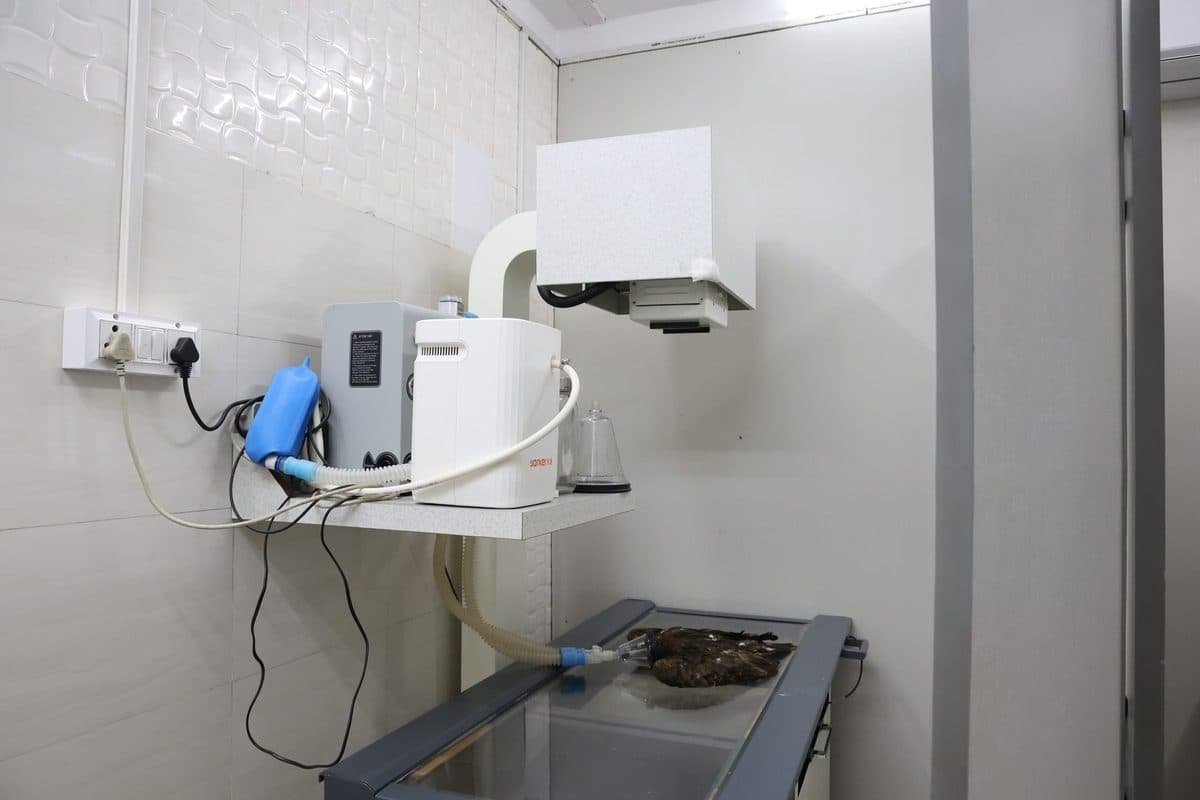
Inside the facility
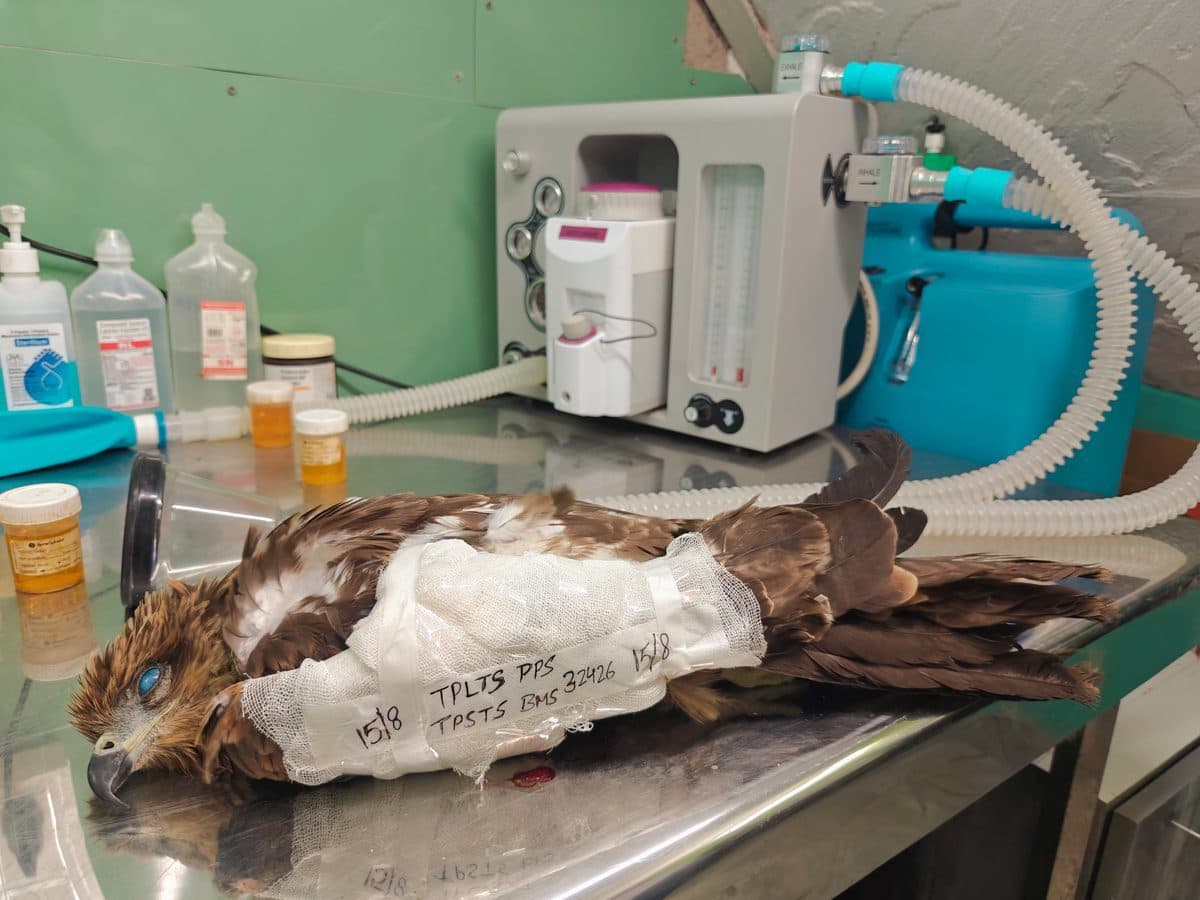
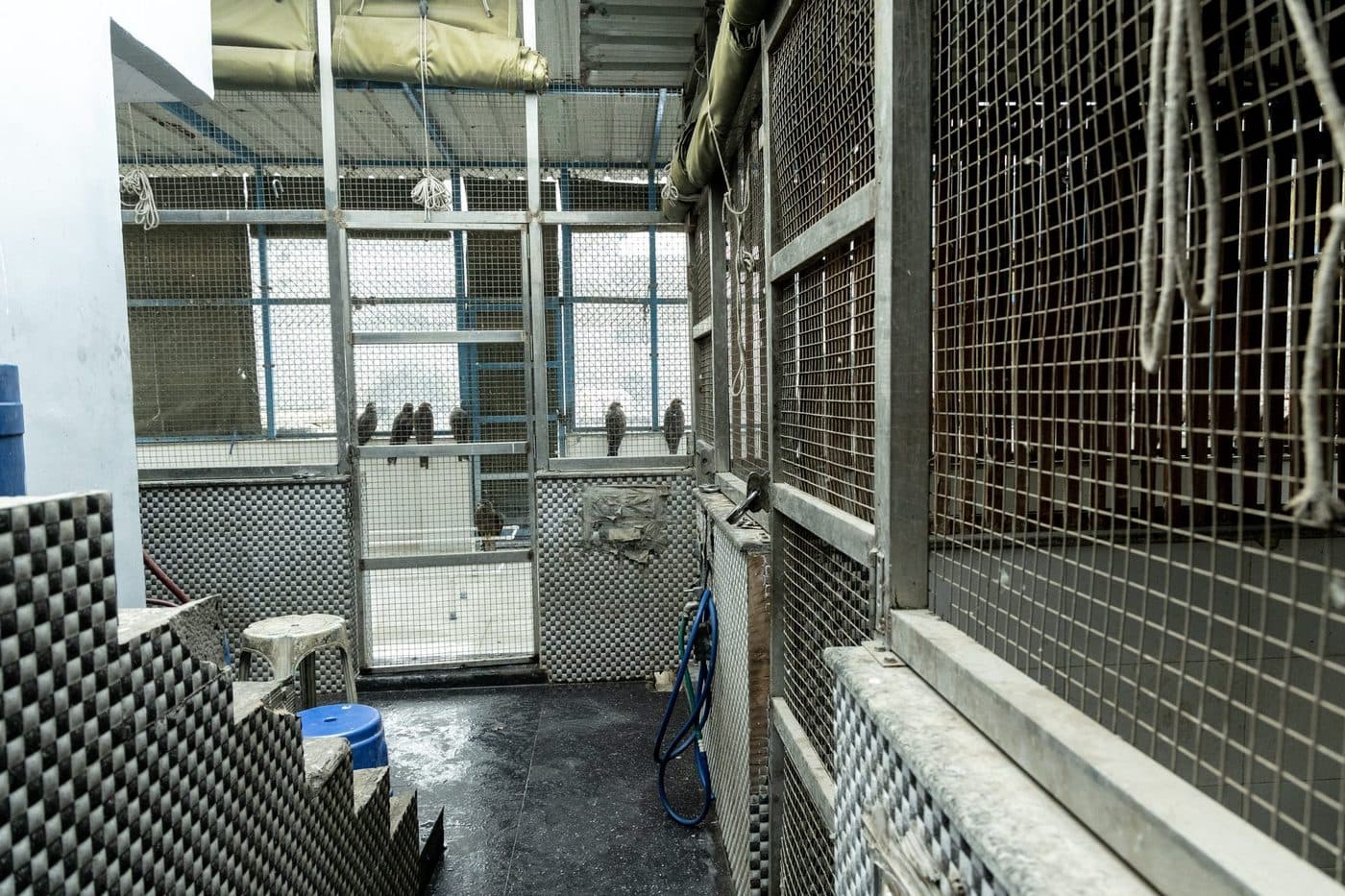
A working hospital, not a shelter.
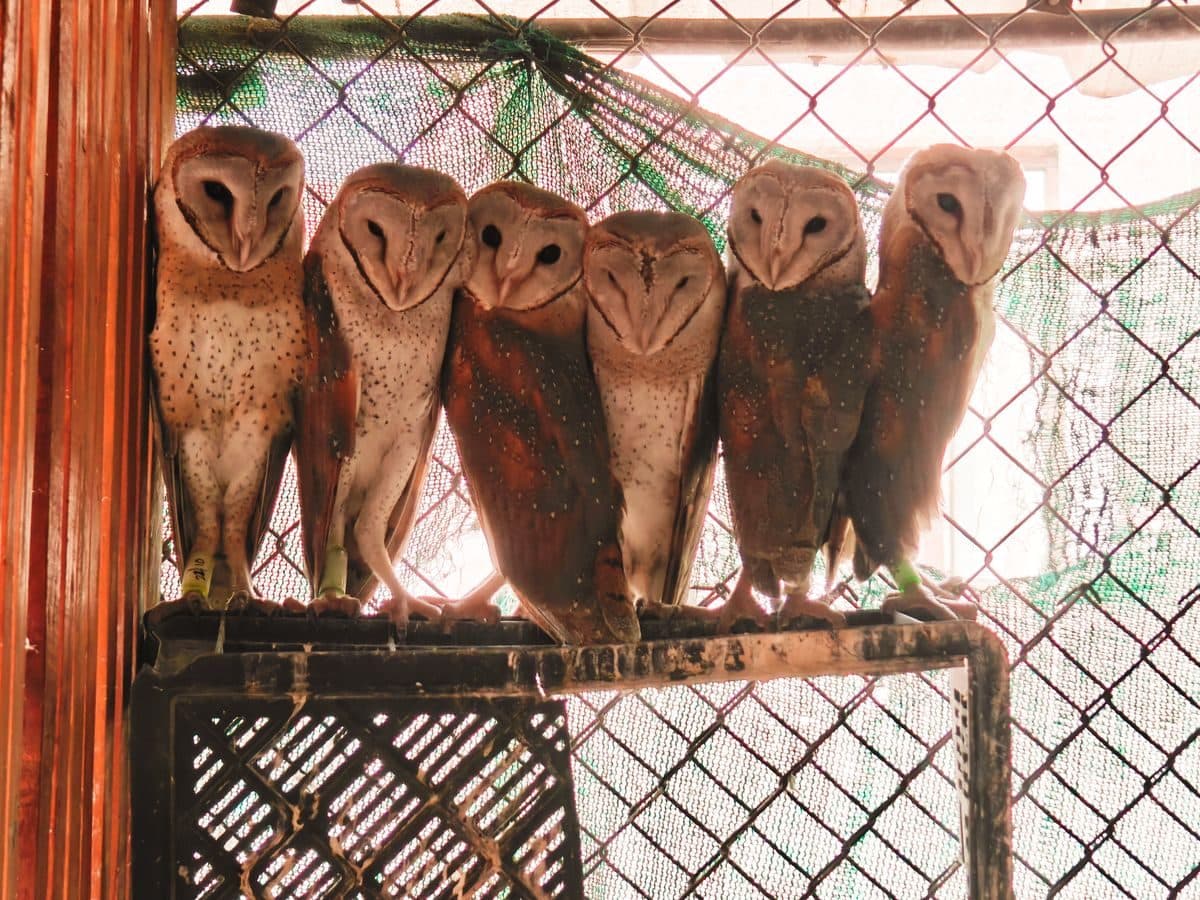
Who arrives
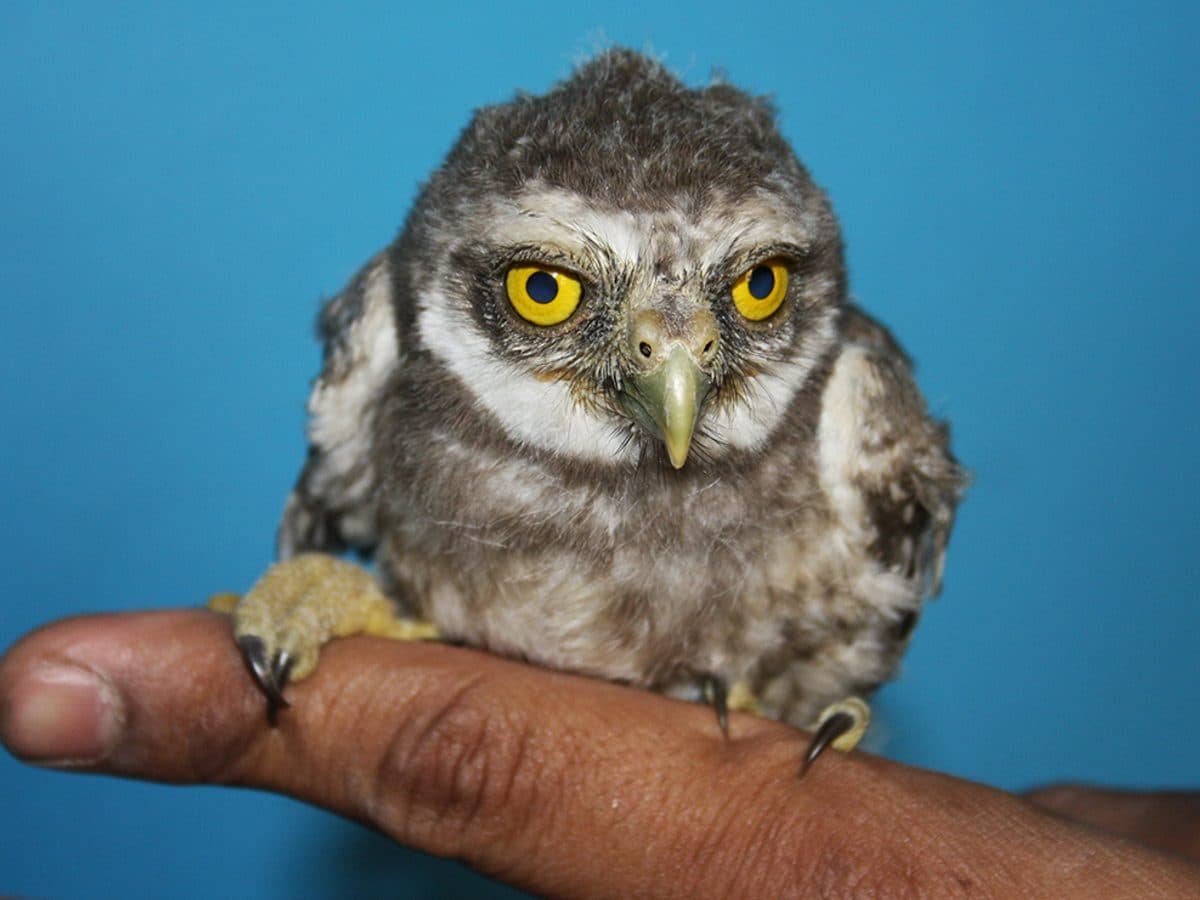
138 species, and counting.
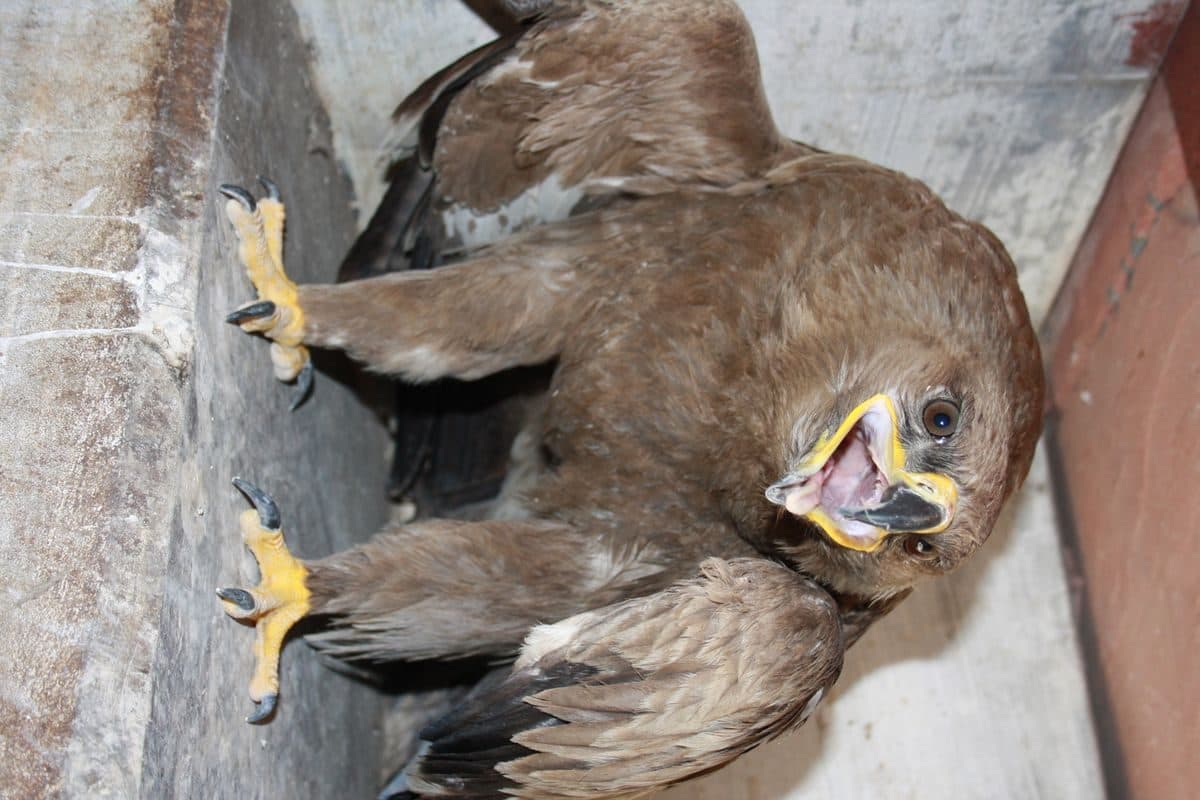
Steppe Eagle
Endangered
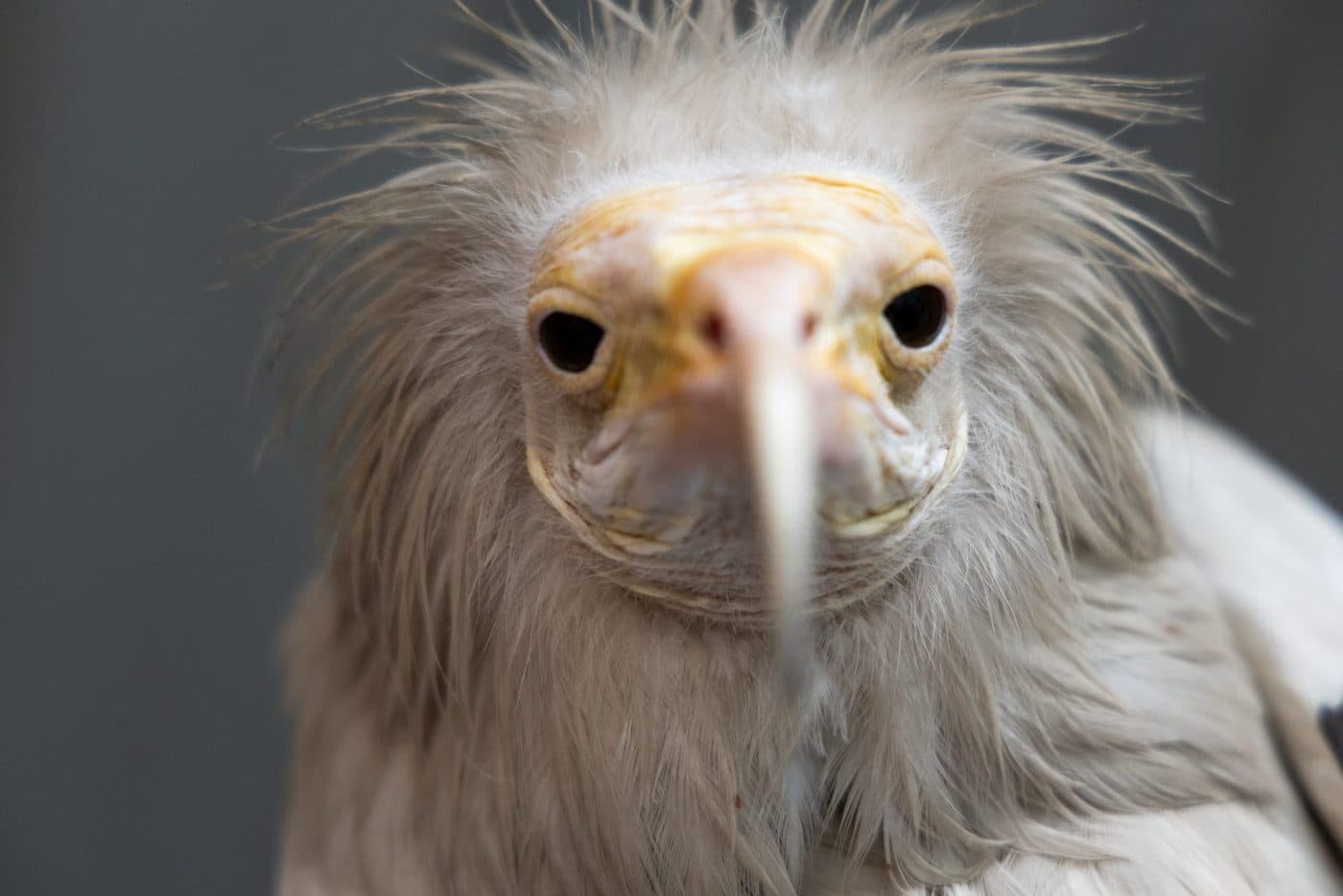
Egyptian Vulture
Endangered
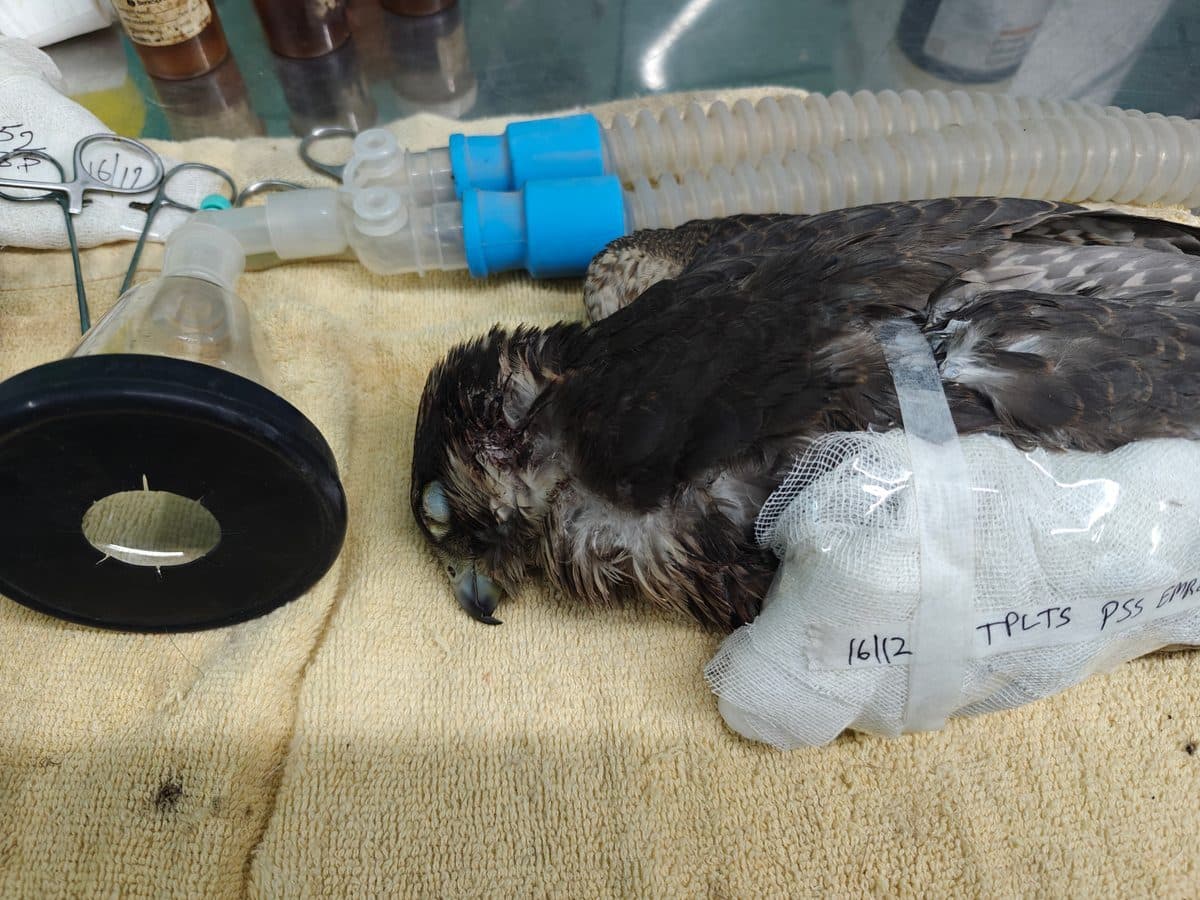
Peregrine Falcon
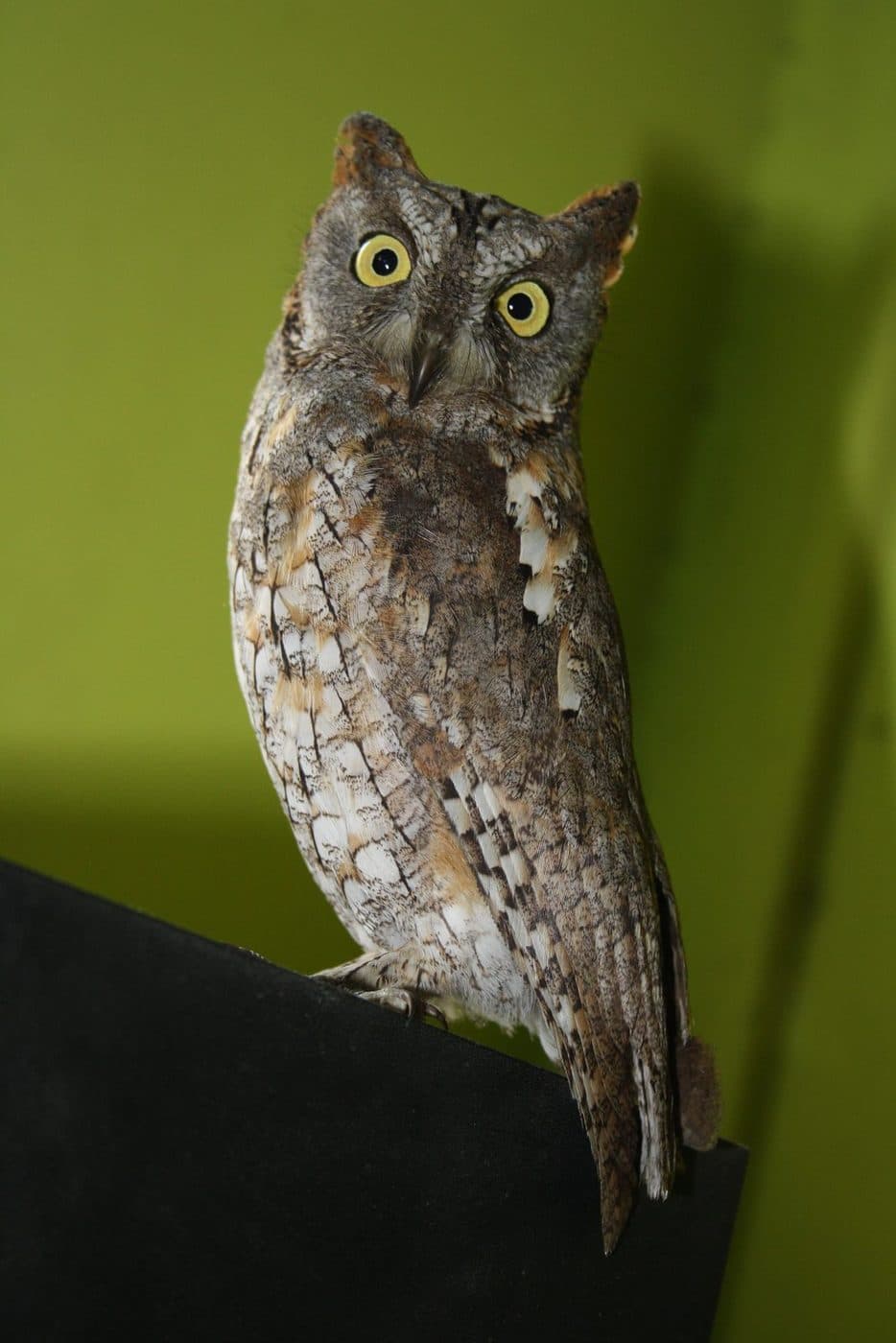
Indian Scops Owl
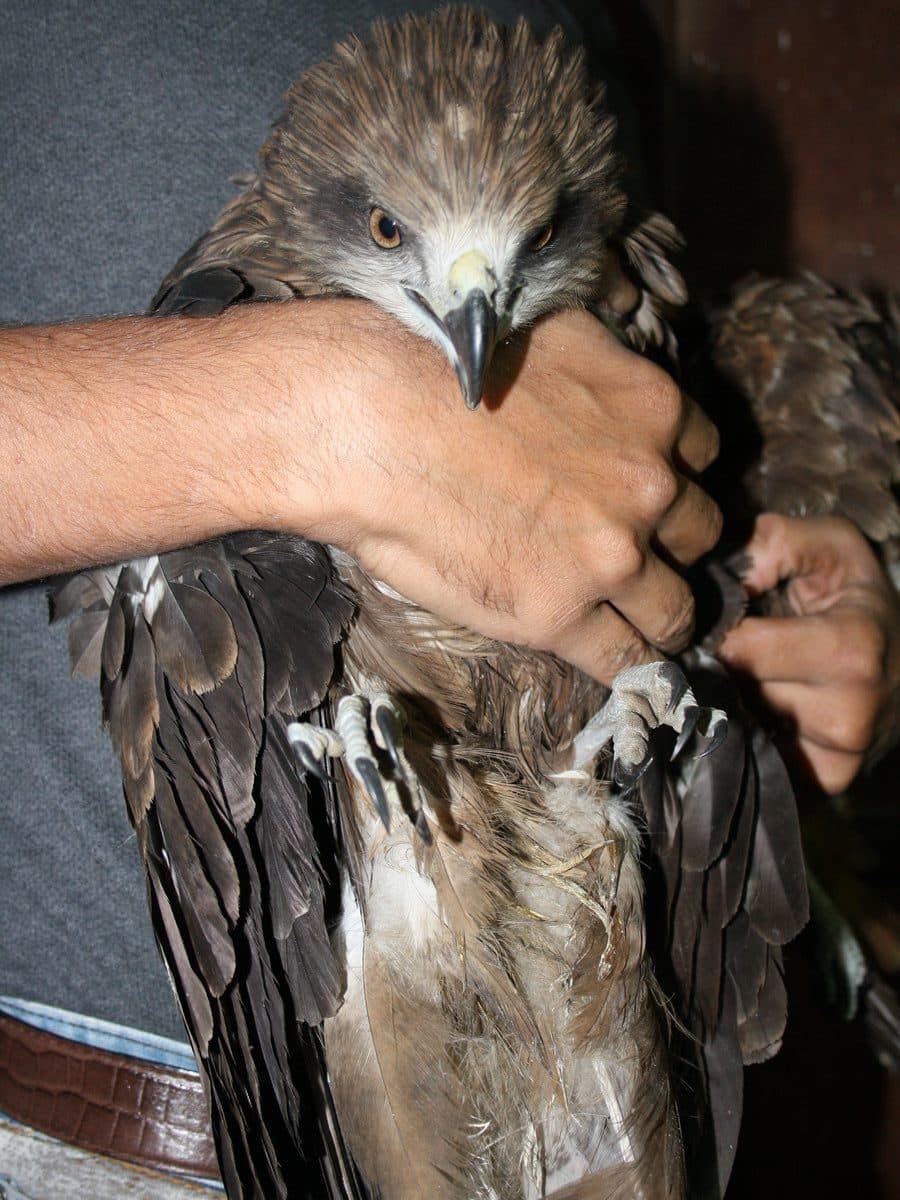
Black-Eared Kite
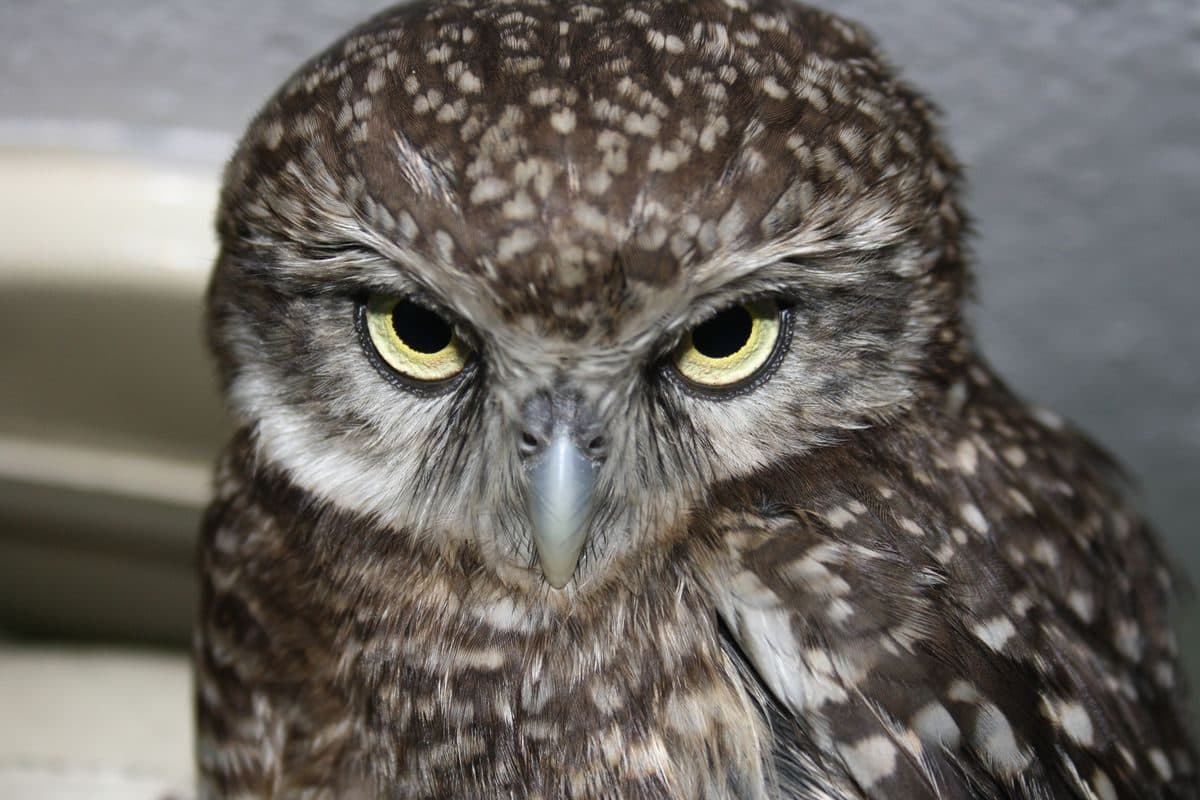
Spotted Owlet
Our role
What an American charity can usefully do.
Consumables that never stop
Antibiotics, analgesia, fluids, sutures, dressings, anaesthetic gas and food. Unglamorous, constant, and the first thing to run short.
Equipment and its upkeep
Imaging, surgical and laboratory equipment has to be bought, serviced and eventually replaced. Capital gifts are hard to raise locally.
The research they give away
Documenting outcomes and presenting technique at professional symposia costs money and earns none. It is also how one clinic's knowledge reaches many.