Milestone · June 18, 2026 · 4 min read
Forty thousand birds
In June 2026 our partner in Delhi admitted its forty-thousandth patient — a Shikra with an injured shoulder. Here is what that number actually represents.
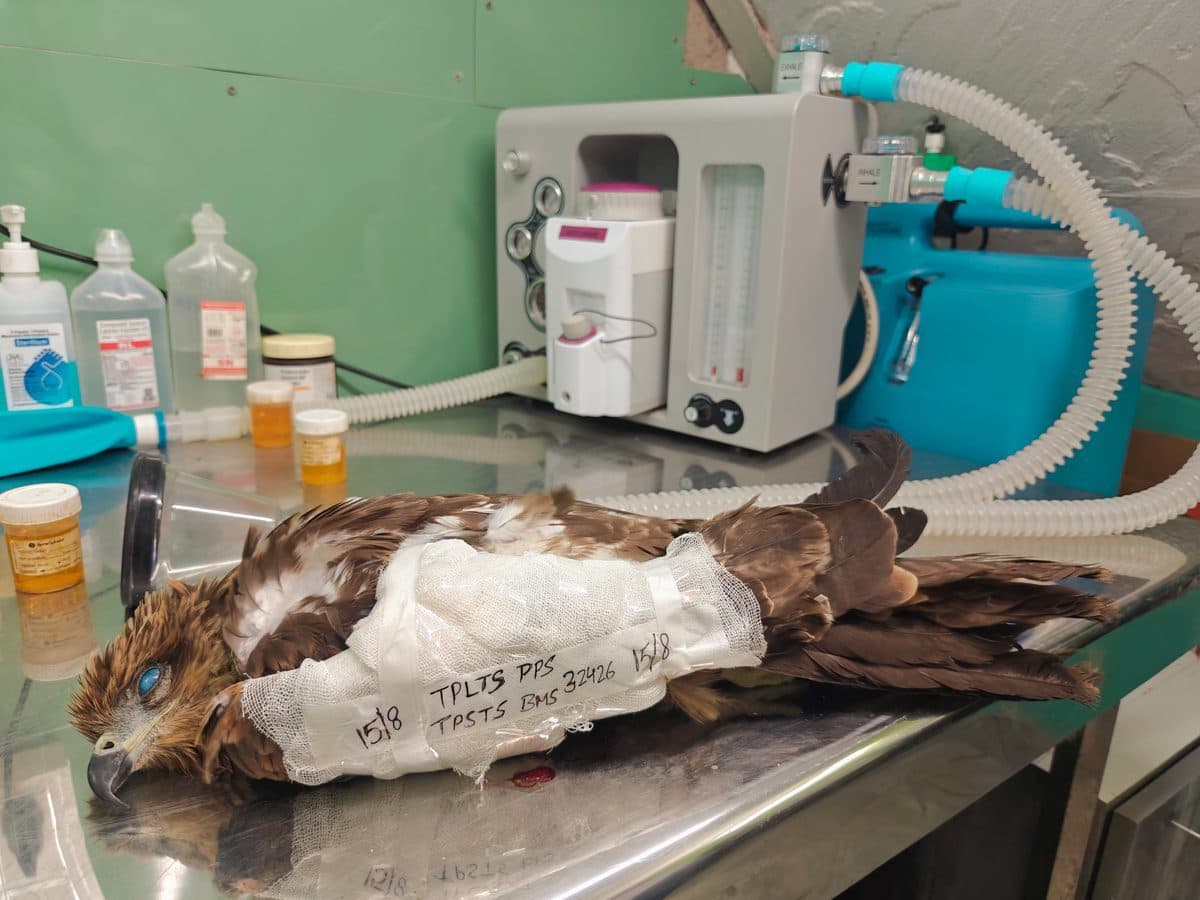
On 13 June 2026, a Shikra arrived at the Wildlife Rescue clinic in Wazirabad with an injured shoulder, most likely from striking a pane of glass. It was logged as case number forty thousand.
Numbers like that are easy to print and hard to feel. So it is worth saying plainly what forty thousand means here. It means forty thousand individual examinations. Forty thousand birds carried in by strangers, by schoolchildren, by traffic police, by people who did not know what else to do. It means a case file opened, a species identified, a weight taken, a body score recorded, and a treatment plan written — forty thousand times, by hand, since 2010.
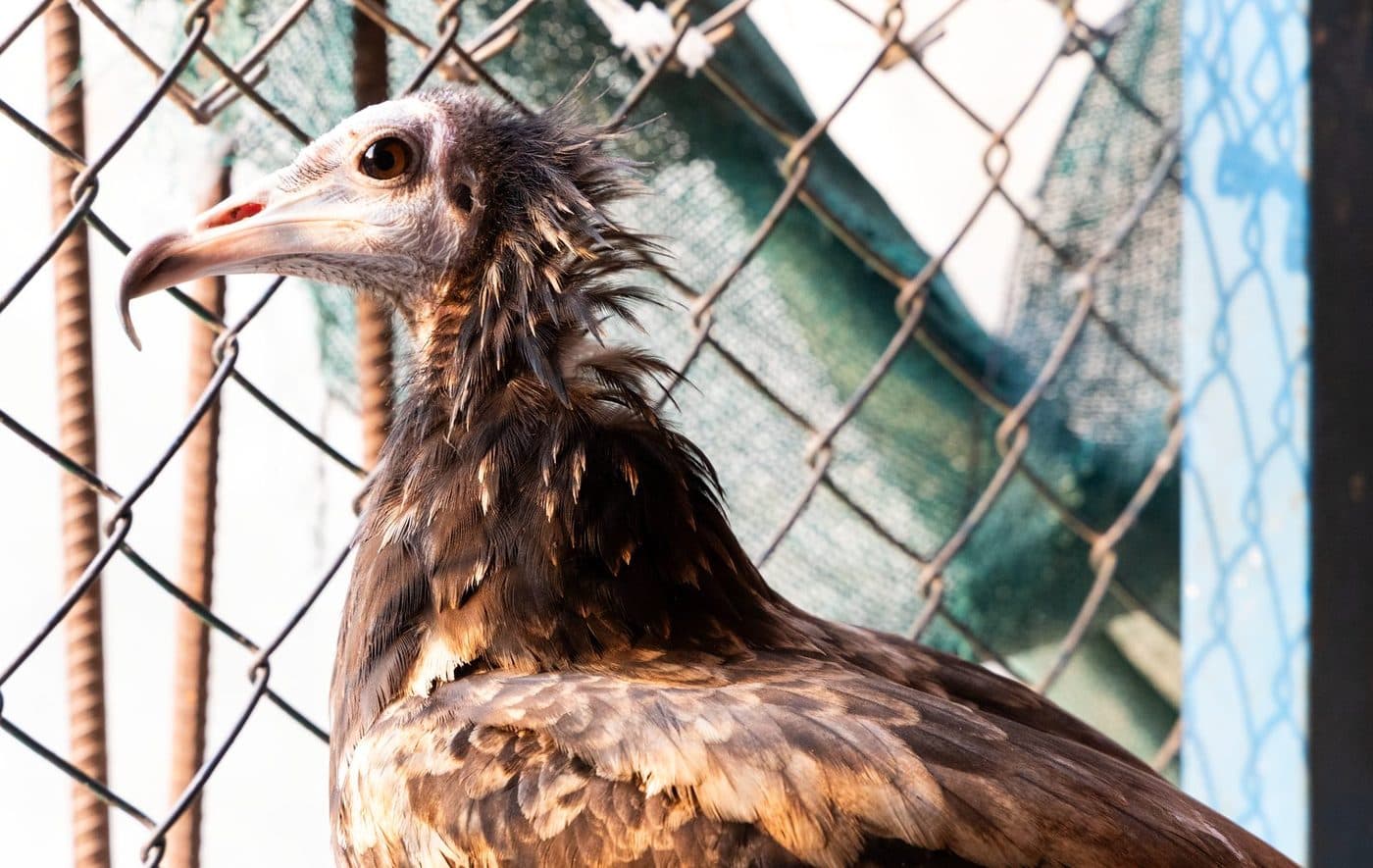
Roughly eight in ten of those birds are Black Kites, the raptor that wheels above Delhi in numbers found almost nowhere else on earth. The rest span some one hundred and thirty-eight species: barn owls, scops owls, spotted owlets, serpent eagles, steppe eagles, peregrine falcons, and the Endangered Egyptian Vulture.
What brings them in
About four in ten documented injuries come from manja — the glass-coated kite string flown across the city. Manja does not simply cut skin. It severs the propatagium, the leading edge of the wing, taking muscle, tendon and nerve with it. A bird with a cut propatagium cannot fly, and for most of the history of raptor rehabilitation that was the end of the conversation.
It is not the end of the conversation at Wildlife Rescue, because the clinic spent years working out how to rebuild that structure in layers and get birds flying again. That surgical work is the single most important reason to fund this clinic rather than simply admire it.
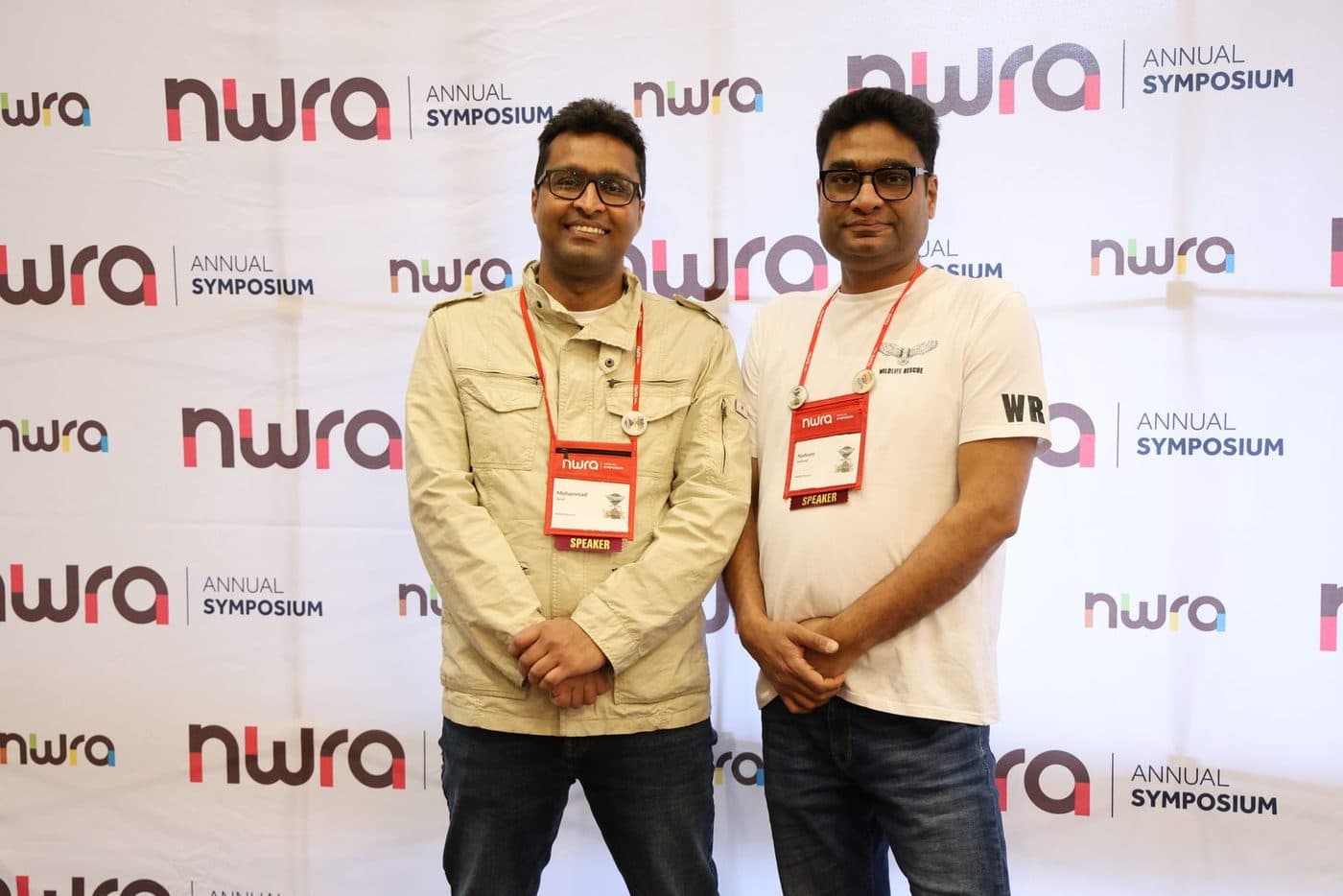
Forty thousand is not a finish line. It is a measure of how much need there is, and how much of it two brothers and a small team have absorbed.
Raptor Rescue and Research exists to make sure the American people who were moved by this work have a straightforward, tax-deductible way to sustain it. The birds keep arriving. The clinic keeps opening.
This work runs on donations.
Every gift is tax-deductible in the United States and goes out with almost nothing taken off the top.
Donate now